National Virtual Translation Center
The FBI-managed National Virtual Translation Center (NVTC) provides timely, accurate, and cost-effective translations for the U.S. Intelligence Community and other federal agencies. NVTC’s highly trained and carefully vetted linguists process source material in various formats, such as handwritten or electronic documents.
Established by Congress, the NVTC offers:
- A tried-and-tested workflow methodology
- An expert team of linguists at all security clearance levels
- A supplement to in-house agency translation offices
- A robust quality control program
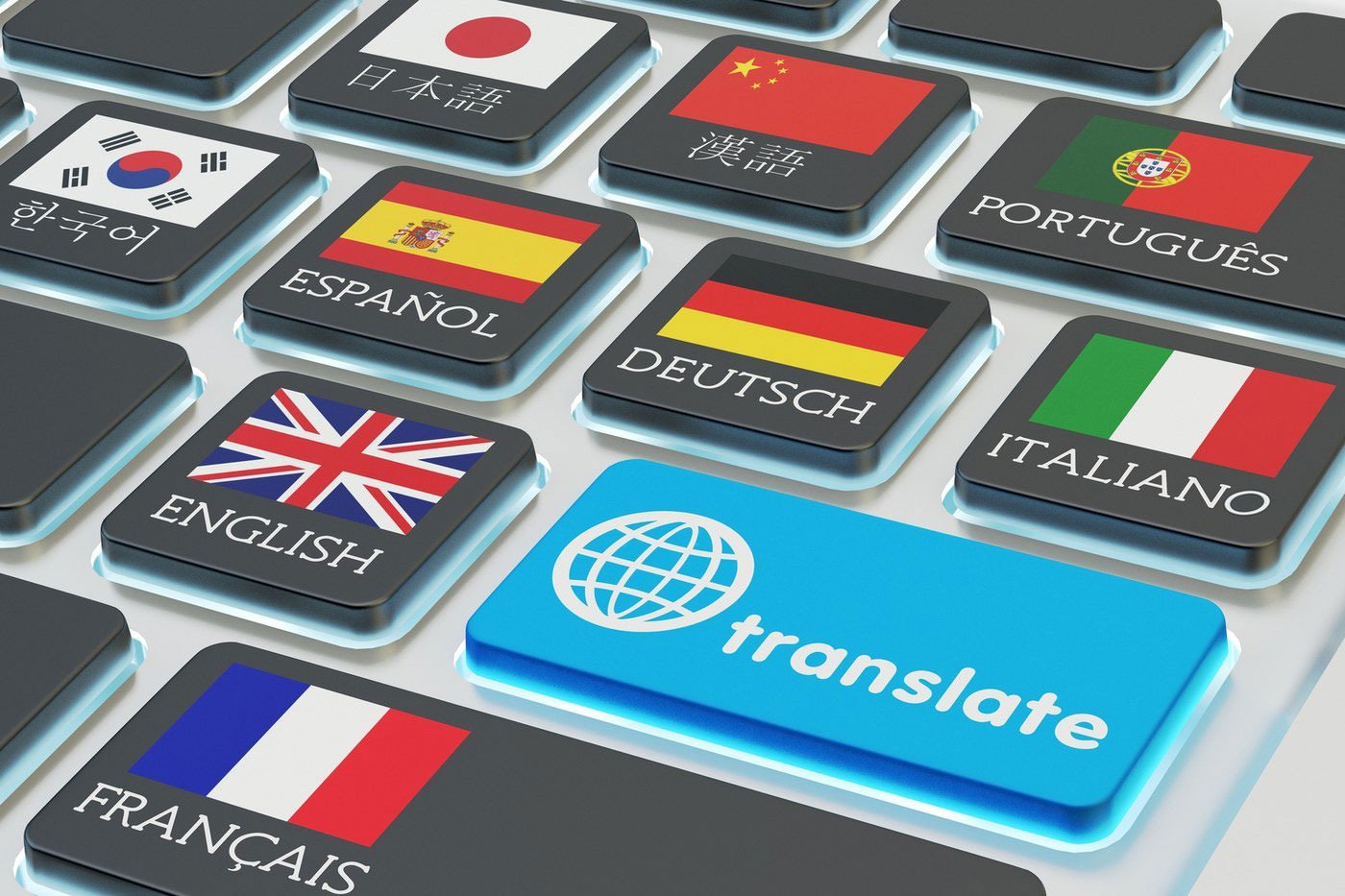
- The latest human-language technology tools to deliver accurate translations in more than 120 languages.
We primarily serve the U.S. Intelligence Community and military organizations. However, all other federal organizations may contact us to discuss potential translation support on a reimbursable basis.
While NVTC linguists can translate all types of material, NVTC linguists cannot appear in court, so please contact us if you need support for an ongoing investigation.
NVTC Benefits
- Accurate
Our linguists are highly qualified translators, and all translations go through additional review, unless waived by the customer. - Timely
NVTC offers flexibility and surge capability to meet customer needs, and our linguists have specialized tools to allow for rapid translations. - Cost Effective
Most translations are done at no cost to the customer. - Customer Support
Customers have access to an online workflow system and a dedicated point of contact.
Translation Services
The NVTC offers a comprehensive set of language services to government customers:
- Building and Managing Translation Memory Projects
Use of computer-assisted translation tools to create and update translation memory (TMX) files and termbase (TBX) files. - Creating and Maintaining Specialized Glossaries and Termbases
Production, vetting, and sharing of terminology resources. - Domain Tuning Machine Translation Engines
Translation of source material and/or alignment of existing translations in specific subject matter areas and using that data to customize machine translation engines for that subject matter. - Full Translation
Complete and accurate rendering of source material into a grammatically and colloquially correct product in the target language. Translation can be from a foreign language source into English or from English into a foreign language. - Gist
Brief description (in English or in the target language) that includes the who, what, when, where, why, and how from the contents of the original material. - Language Identification
Identification of the language in a source file in text, audio, or visual form. - Partial Translation
Rendering of designated portions of the source material into a product in the target language. - Post Editing (MT)
Review and amendment of machine translation output/results. - Post Editing (OCR)
Review and amendment of Optical Character Recognition output/results. - Summary
Translation that reflects the main points of the entire contents of the material in an abbreviated and concise manner and includes the who, what, when, where, why, and how (similar to a gist). - Targeted Translation
Partial rendering of the original material that pertains to specific items designated by the requester. - Transcription
Word-for-word rendering of audio or video material into the original source language. - Transcription and Translation
Word-for-word rendering of audio or video material into the original source language, plus complete and accurate rendering of source material into a grammatically and colloquially correct product in the target language. - Triage
Selective translation based upon prioritization. - Certified Translations
Translation accompanied by a certification from a qualified linguist that a translation is true, faithful, and accurate. The NVTC can also provide certification from a qualified linguist other than the original translator.
Customer Bill of Rights
- The right to expect a quality product.
The NVTC has a robust quality assurance program that delivers timely and accurate translations. All linguists are tested and have, at a minimum, professional-level language proficiency. - The right to expect results.
The NVTC supports your mission and provides tailored service to meet your requirements. - The right to excellent customer service.
NVTC staff is committed to providing outstanding service every day. This includes accurate, complete, and timely information delivered professionally and with a positive attitude by knowledgeable staff. - The right to transparency.
NVTC uses technology to provide real-time visibility into projects. NVTC strives to provide prompt status updates, funding reports, and access to relevant documentation. - The right to prompt issue resolution.
All issues will be investigated and actions will be clearly communicated. - The right to secure information handling.
The NVTC performs work at all classification levels and does not store any of the translations or source documents past 90 days of project completion. Linguists have no knowledge of the customer unless the NVTC obtains prior consent from the customer.
Work for NVTC
- Location: NVTC linguists work throughout the U.S. Those working with classified materials receive work via secure channels at government facilities. Linguists doing unclassified work can do so from various locations.
- Hours: Work hours depend on the NVTC's needs and your availability.
- Pay: Pay is determined by test scores and classification of material.
Applications
Apply to be an NVTC linguist by emailing your resume to NVTC-Jobs@NVTC.gov. Include your language(s), proficiency, and list your security clearance level, if you have one. You must be a U.S. citizen to apply.
Contact Us
Mail:
National Virtual Translation Center
PATS2-440
935 Pennsylvania Ave, NW
Washington, D.C. 20535
Phone:
(202) 651-4334
Email:
Customer inquiry form